Mining project controls and scheduling
Scheduling and project controls for mine studies, processing plant shutdowns and other metals, minerals and processing projects, from baseline set-up through to recovery planning.
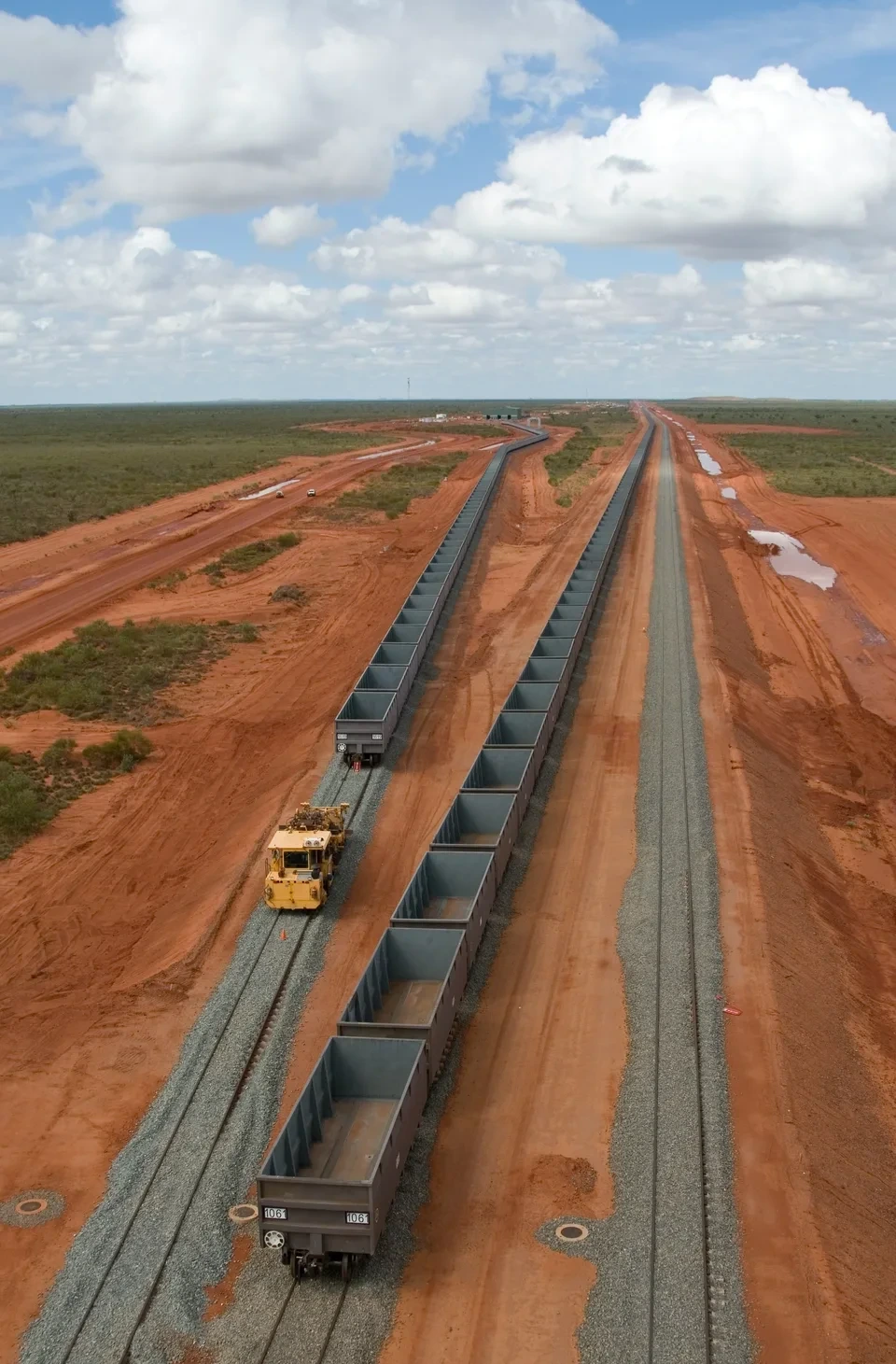
Capital projects under operating-mine constraints
Mining projects are delivered inside operating sites, around shutdowns, tie-ins, road access, weather and labour availability. The schedule has to reflect those constraints realistically.
Operating-mine aware
Schedules built around live production - shutdowns, tie-ins and access windows treated as constraints, not as a wish list.
Honest progress, early
Earned schedule, physical % complete and forecast cost-to-complete reported on a cadence that shows drift before it becomes recovery.
Recovery planning that holds
When slippage is real, structured recovery options - resequencing, acceleration, scope deferral - with the time and cost trade-offs spelled out.
In the team, or brought in part-way through
We work as part of the project team from set-up, and we are also brought in part-way through when a schedule needs to be rebuilt or a recovery plan prepared.
Listen & assess
We sit with the schedule, the records and the project leadership to understand where the plan has drifted and where it has gone quiet.
Stabilise the position
Whether it is a re-baseline, a stabilised live schedule or a structured recovery plan, we get the project into a state it can run on.
Run the weekly cycle
Status, lookahead, EVM, risk and reporting - owned alongside the project team, on a cadence operations and the board can both use.
Hand back stronger
Templates, documentation and a trained successor in place so the in-house team can sustain the discipline after we exit.
Common pressure points on mining projects
These are the situations where we are most often asked to help.
Shutdown overruns
A tie-in or shutdown extends past the planned window. Operations exposure and contractor cost climb the moment the unit stays offline.
Sustaining capital drift
Multiple small jobs each slip a few weeks. The annual plan misses, the next cycle gets squeezed, and the board sees the same number for two years.
Recovery under pressure
The project is already late. Leadership needs a recovery plan that names the trade-offs - not a wishful re-baseline that slips again.
What you should end up with
- A baseline aligned to operations and shutdown calendars
- Drift surfaced early - not at the next board cycle
- Recovery options on the table while there is still time to act
- Progress records kept to support extension of time claims
Common questions about our mining work
Need scheduling support on a mining project?
Tell us about the project and what you need, whether that is a scheduler in the team, a programme or a review. A senior consultant will get back to you to talk it through.